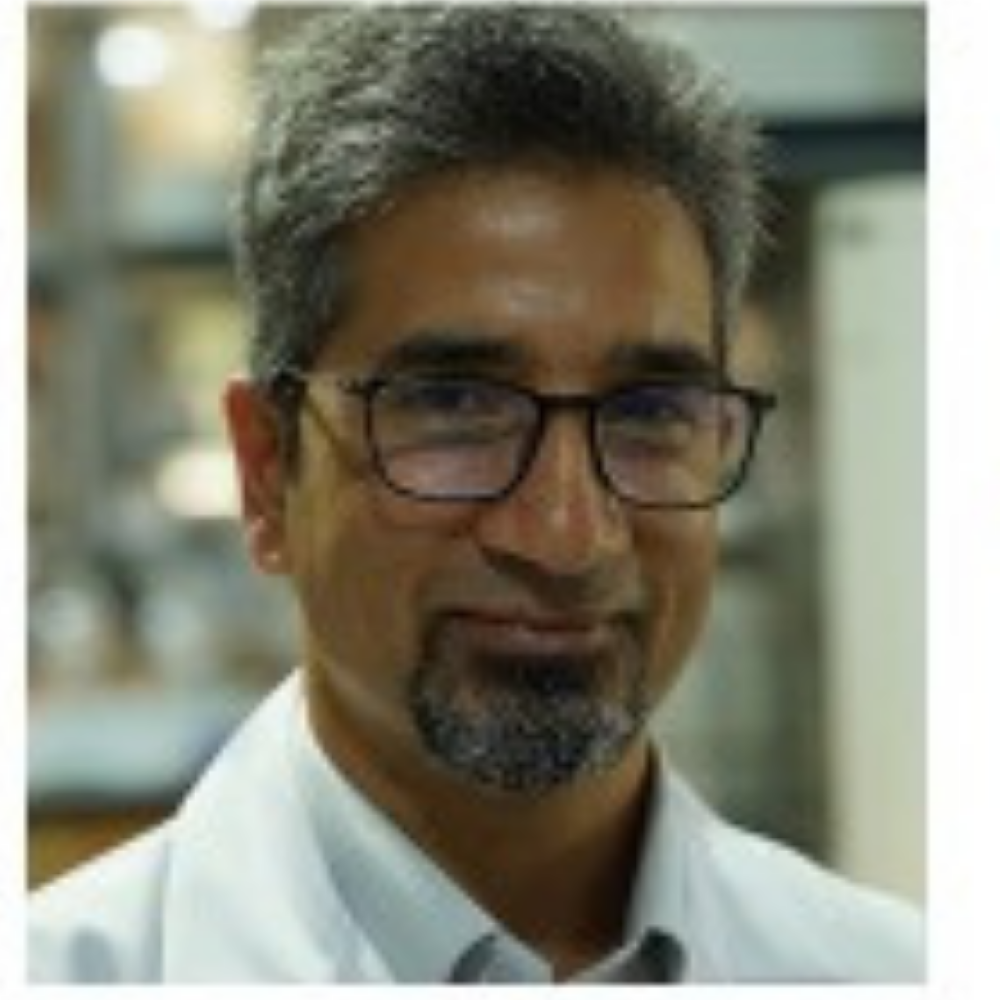
Ab Matteen Rafiqi
Dr. Rafiqi has had extensive experience in insects' development and evolution. He initially studied the flies (Diptera: Phoridae and Syrphidae) where he explored the major steps in the evolution of extraembryonic membranes. He then switched to the ants (Hymenoptera: Formicidae) where he studied the evolution of endosymbiosis. Now he works with ants as well as true bugs (Hemiptera: Cicadellidae). He is broadly interested in exploring how development integrates genetic and environmental inputs into the phenotype - the primary target of natural selection.
The working idea in the lab is that endosymbiosis must be seen not as a relationship between two individual organisms but a phenomenon where the endosymbiont must integrate into the host developmental gene regulatory network such that they act as a single organism. He uses insects because they are the most speciose eukaryotic organisms on the planet and possess a remarkable degree of morphological, physiological and behavioral diversity.
Dr. Rafiqi expands upon the rapid advances in the field of evolutionary developmental biology (evo-devo) in the past few decades wherein the developmental genetic basis of this diversity in insects was studied in detail. Taking inspiration from the classical studies in embryology of insects done from the mid-19th to the mid-20th century, he wants to understand how genetic accommodation, genetic assimilation, developmental plasticity, and developmental endosymbiosis can be integrated into the study of evolution.
Research Area: Ecological Evolutionary Developmental Biology
Field of expertise
Evolutionary Biology, Developmental Biology, Ecology, Molecular Biology, Biotechnology.
Scientific Impact
I firmly believe that the future of science lies in inclusive, collaborative communities—where talent from all backgrounds is nurtured, and scientific inquiry is guided by curiosity rather than barriers. By offering equal opportunities for all, regardless of race, gender, or socioeconomic background, we can unite a diverse set of minds to tackle the most complex and urgent challenges facing the world today. My vision is to contribute to reducing global disparities in both the quality of science and the scientists producing it. This can only happen when we actively empower and uplift those who have been historically marginalized or overlooked in traditional academic structures.
At BILSAB, I'm excited to be part of a collective effort to build a more inclusive and impactful scientific future, where our research contributes not just to academia but to solving global problems and creating positive changes in the world.
Ongoing work
The lab investigates fundamental questions in evolution and development using two model organisms,
C. floridanus and
Anaceratagallia ribauti. Current projects focus on deciphering key developmental genetic pathways and gene regulatory networks, with special attention to how endosymbionts influence host gene expression, germline specification, and body plan patterning. By examining these interactions at molecular and cellular levels—including the evolution of specialized cell types such as bacteriocytes and related structures—the group aims to reveal how intimate host–symbiont relationships shape developmental processes.
More broadly, the research seeks to clarify the mechanisms underlying major evolutionary transitions and to integrate endosymbiotic theory into a modern synthesis–based evolutionary framework. Through studies of developmental integration between hosts and their symbionts, the lab explores how endosymbiosis can drive innovation, stabilize cooperative traits, and ultimately contribute to the evolution of complex multicellular organization. Use of state-of-the-art facilities and expertise for imaging, transgenesis, and genetic manipulation of insect embryos supports and accelerates these research efforts.
State of the art facilities and expertise for imaging, transgenesis, and genetic manipulation of insect embryos.
Vision
Dr. Rafiqi came to Turkiye from the University of Chicago and McGill with a vision to expand the availability of state-of-the-art scientific training beyond the developed countries. In this regard, he believes that basic science shall play a pivotal role in minimizing the disparity in scientific training as well as attitudes towards science in general and biology in particular. While translational science provides quick returns, basic science treads on untrodden paths to discoveries, making it possible to make a higher impact in the societies where it is undertaken. Studying basic sciences also allows the trainees to ask creative and original questions in their fields, which deepens their understanding of these concepts.
"Translational science offers quick returns, but basic science breaks new ground and enables deeper, longer-lasting societal impact." - Matteen
Approach
As a principal investigator, I'm committed to cultivating an environment of open access and inclusive mentorship. While many academic programs require formal training prerequisites, I strongly believe that talented students often remain untapped due to rigid educational systems. In our lab, we focus on hands-on engagement, giving students the chance to explore science through real-world research. Many of our current team members started as volunteers and, through guidance and personal growth, have transitioned into full-fledged scientists.
BILSAB has been an ideal environment for realizing this mentorship vision. The institute's flexibility and support for unconventional educational pathways have been crucial in allowing me to tailor mentoring practices to the unique needs of each student. This has made it possible to foster a scientific community where curiosity and collaboration drive progress, not rigid rules or hierarchies. BILSAB's openness to individualized learning and innovative training models has provided the perfect foundation to develop the next generation of researchers who are not only skilled but also driven by a passion for discovery.
About the team
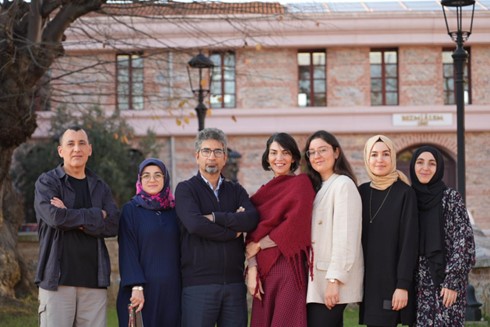
Currently, the lab has three Ph.D. students, two postdocs, and one lab technician.
Mauricio E. Alarcón
is a native of Chiguayante, Chile. Early in his research, he studied parasitic symbiosis through flea-rodent and cat flea-gregarine interactions. Currently, Dr. Alarcón's research focuses on mutualistic interactions between bacterial endosymbionts and insects, examining the ecology of the species, their embryological development, and their evolutionary history. His long-term goal is to decipher how phylogenetically distant organisms become fully integrated, ultimately functioning as a single unit. He is currently leading the TÜBİTAK 1001 project, which aims to track the developmental trajectory of the cells that become bacteriocytes in a species of leafhoppers called Anaceratagallia ribauti.
Zelal Özgür Durmuş
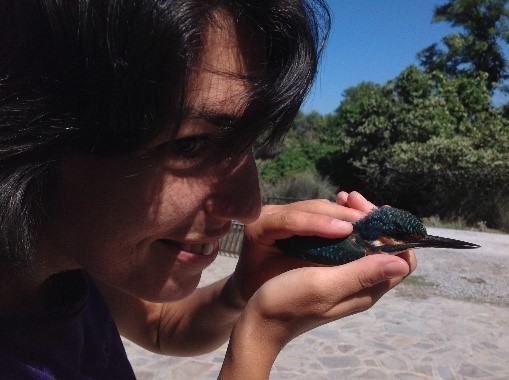
Completed her doctorate on “The Place of Endosymbiotic Theory in Evolutionary Biology Since the Modern Synthesis" combining her work in the philosophy of biology with practical research into essential intracellular symbiotic relationships. In approaching the evolution of living beings, she sought to move beyond perspectives that reduce organisms merely to genetic material and mutation. Nature presents a far more intricate and compelling narrative, with multiple levels of organization and their reciprocal interactions. Working in an eco-evo-devo laboratory offered an exceptional opportunity to expand this perspective. Rearing organisms enabled her to appreciate first-hand the dynamism of interspecies relationships and organism–environment interactions, while addressing scientific questions using advanced molecular genetic techniques and imaging tools proved profoundly enriching. The drive to push conceptual boundaries and continually question prevailing paradigms is the central motivation for her work. Besides this, she loves writing stories, doing outreach activities with children, and observing nature.
“The drive to push conceptual boundaries and continually question prevailing paradigms is the central motivation for my work." - Zelal
Nihan Sultan Milat
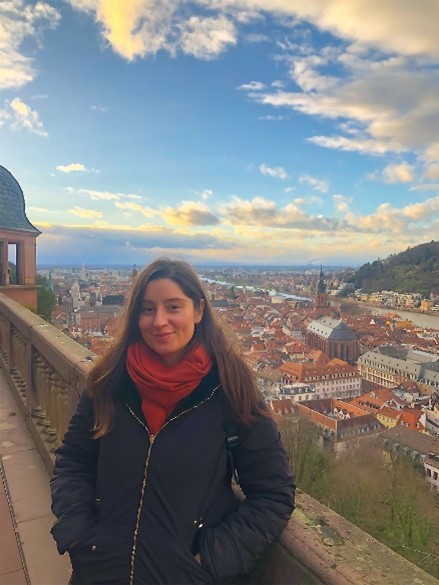
is a PhD candidate in the Rafiqi Lab. I'm fascinated by the complex question of obligate endosymbiosis: how hosts and their symbiotic partners co-evolve and communicate at the molecular level. To investigate this, I focus on ants, a group that showcases incredible biological diversity and intriguing symbiotic associations. More specifically, I study how the BMP signaling pathway shapes these endosymbiotic interactions and contributes to key developmental processes. By examining gene expression and pathway dynamics, I aim to uncover how molecular signaling governs the intricate crosstalk between the host and its endosymbionts. One of my favorite aspects of my scientific work is also a bit of an exploration: capturing the hidden beauty of endosymbiosis through microscopy, blending science with art, and I love every moment of it!
“Beyond the lab, I love exploring new countries and immersing myself in different cultures. Science has also taken me on journeys around the world, allowing me to attend conferences, share ideas, and collaborate with researchers from diverse backgrounds. These experiences fuel my curiosity and passion for discovery!"
“Capturing the hidden beauty of endosymbiosis through microscopy, blending science with art, and I love every moment of it!" - Nihan
Birgül Çolak Al
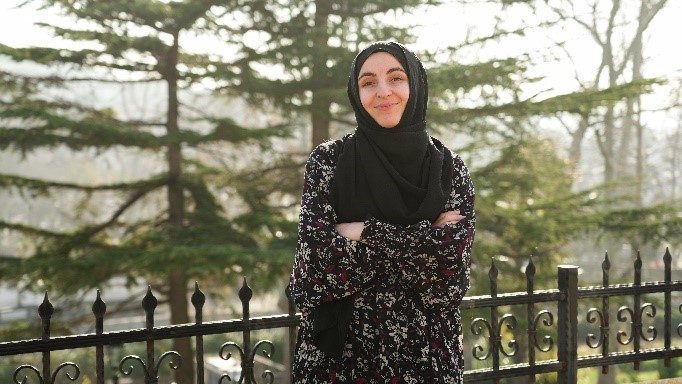
is a PhD candidate with a background in Molecular Biology and Genetics, having completed my bachelor's and master's degrees in this field. This year, I started the PhD program in the Laboratory of Ecological Evolutionary Developmental Biology at the Beykoz Institute of Life Sciences and Biotechnology to explore fundamental questions about the evolutionary and developmental biology of ants.
“My research focuses on Camponotus floridanus, a model ant species that harbors the obligate endosymbiont Blochmannia. I study the Hox genes within the bithorax complex (BX-C), which are highly conserved transcription factors that determine segmental identity during embryogenesis in bilaterian animals. In ants, these genes have evolved beyond their canonical homeotic functions, exhibiting maternal expression that influences posterior development and germline formation. My work aims to uncover how the regulatory mechanisms of BX-C genes have evolved in ants."
Sevim Nur Akyüz
is a PhD candidate and research technician with a background in Molecular Biology and Genetics, currently pursuing my PhD in Biotechnology at BILSAB. My work explores the metabolism of Blochmannia, the obligate endosymbiont of the Carpenter ant Camponotus floridanus.
My research focuses on Blochmannia's genes and metabolic pathways using advanced molecular tools to uncover how this bacterium supports its host and sustains the intricate metabolic interdependence between the symbiont and ant.
Elif Kurt
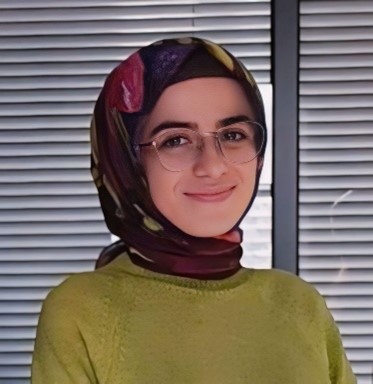
is an experienced animal technician with six years of vertebrate laboratory support at BILSAB and additional expertise in invertebrate husbandry at the Rafiqi Lab. Her work includes daily animal care, welfare monitoring, and precise record-keeping, as well as hands-on support for in vivo studies. She has developed and maintained ant, mealworm, and cockroach colonies to meet research needs, combining methodical husbandry practices with strong biosecurity and adherence to institutional SOPs. She is known for her reliable colony management, attention to animal welfare, and clear communication with researchers and veterinarians.
“Those who follow the light of science do not remain in darkness." - Elif
Ahmet Burak Doğanoğlu
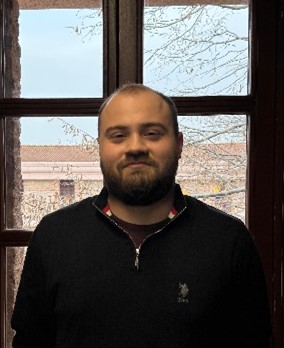
Building on my background in bioinformatics, I am currently pursuing my doctoral studies in the Biotechnology program at BILSAB. During my undergraduate years, my internship in the Rafiqi Lab (2019–2020) played a pivotal role in shaping my current research interests and career trajectory.
My research focuses on uncovering the regulatory pathways through which Blochmannia influences the host genome during development. I apply comprehensive bioinformatics frameworks to investigate transcriptional architecture and the chromatin regulatory mechanisms underlying host–symbiont interactions.
“my time as a intern in the Rafiqi Lab (2019–2020) played a pivotal role in shaping my current research interests and career trajectory." -Ahmet
Lab alumni
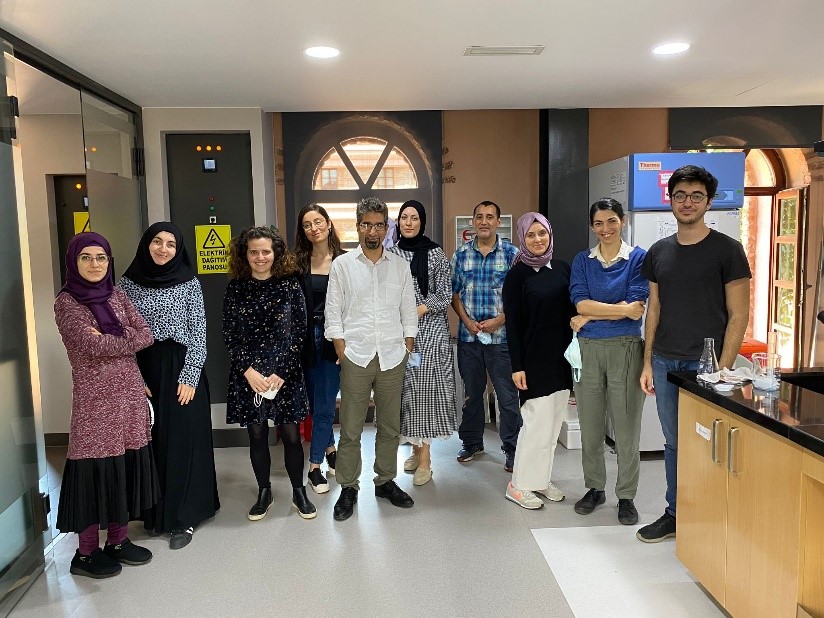
Graduated Students
Fatma Zehra Çağıl, Faculty member Syracuse University USA
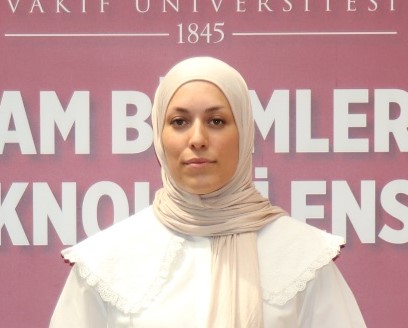
Rafiqi Lab was an amazing place that really shaped me both academically and professionally. The lab had such a collaborative vibe, which encouraged me to tackle complex problems with innovative solutions during my PhD dissertation. Dr. Rafiqi was a fantastic mentor, guiding me as I developed essential research skills and got hands-on experience. I also made wonderful friendships with my fellow researchers that I truly cherish. I feel so grateful for the chance to work on projects during my time there.
“The lab had such a collaborative vibe, which encouraged me to tackle complex problems with innovative solutions" Fatma
Yeşim Erol (PhD student at İstanbul Technical University)
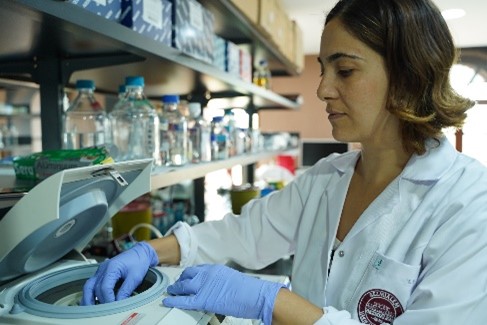
For approximately one and a half years, I worked as a project scholarship holder and PhD student at the Rafiqi Lab, where I gained hands-on experience in wet-lab research and model organism care to study eco-evo-devo at the molecular level. During my time at the Lab, I found a solid and supportive laboratory environment with strong mentorship and teamwork, which allowed me to develop a thorough theoretical and molecular understanding of evolutionary biology. Following this experience, I am now continuing my doctoral work with a primarily theoretical focus in the fields of medical history and environmental history at the department of Science and Technology History, Istanbul Technical University.
“I found a solid and supportive laboratory environment with strong mentorship and teamwork, which allowed me to develop a thorough theoretical and molecular understanding of evolutionary biology." Yeşim
Hilal Şentürk (Faculty Member at Biruni University)
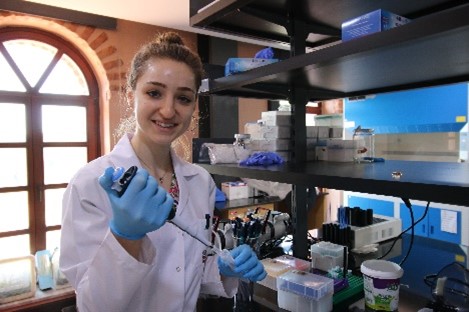
During my time in the Rafiqi Lab, I had the privilege of building a solid foundation in the workings of a molecular biology lab, thanks to Dr. Rafiqi's mentorship and the guidance of our dear postdoc, Priscilla G. Polo. The projects we worked on, and the scientific vision fostered in the Rafiqi Lab have instilled in me the confidence to explore new directions in a different field. Molecular developmental biology, in particular, has shown me how fascinating and distinct it is — witnessing the origins of life from an embryo truly highlights the beauty and intricacy of this field.
Priscila Gomez-Polo PhD (Spain)
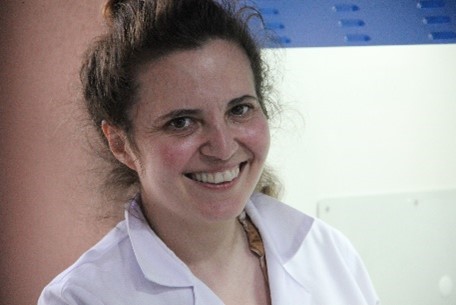
“the scientific vision fostered in the Rafiqi Lab have instilled in me the confidence to explore new directions in a different field." - Hilal
Koray Kasan (PhD candidate at The University of Chicago)
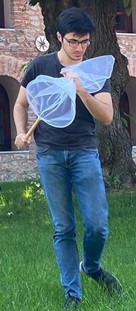
Ümit
Yasar Kina (Postdoc at Humbolt University at Berlin)
Esra Taylan (Teacher at Dora Vocational High School of Health)
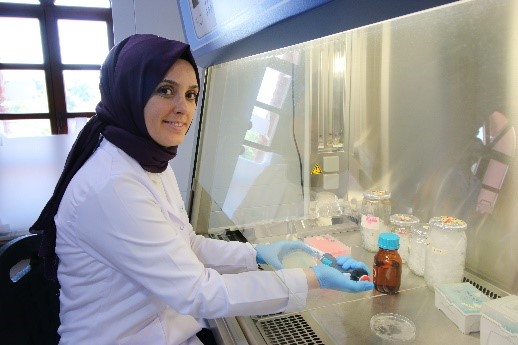
Cansu Çetin PhD (Kadir Has University)
Featured in popular media
Aljazeera Arabic: http://aja.me/sxzwp
Myrmecological News Blog : https://blog.myrmecologicalnews.org/2020/09/09/altered-embryogenesis-allows-developmental-integration-of-the-endosymbiont-blochmannia-into-its-ant-hosts/
Nature blog : https://natureecoevocommunity.nature.com/posts/a-long-road-to-major-transitions
Quanta magazine: https://www.quantamagazine.org/symbiotic-bacteria-tell-ant-embryos-how-to-develop-20200909/
Eko-Evo Bulletin: https://ekoevo.org/dernek-e-bulten/ 2022-sayı 5
Scientific Engagements
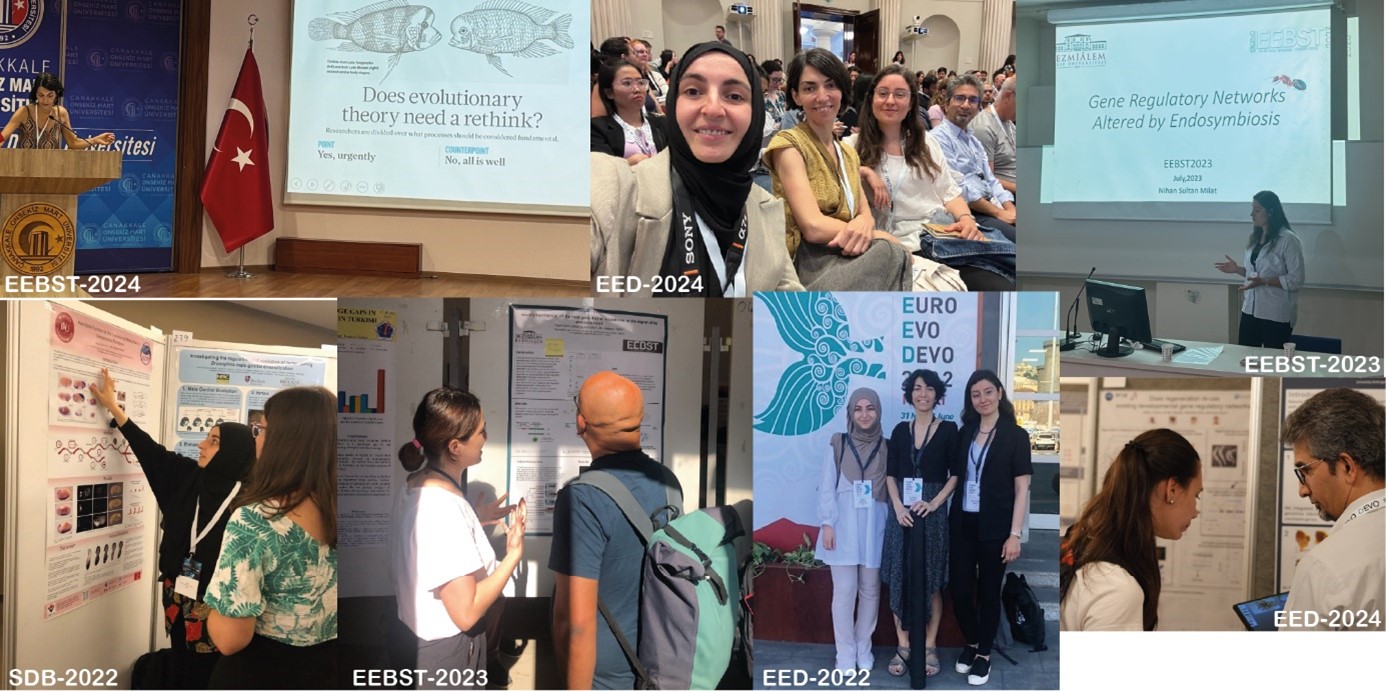
Members of our group regularly participate in national and international scientific meetings to present ongoing research, exchange ideas, and establish new collaborations. Our work is frequently shared at major international conferences such as the European Evolutionary Developmental Biology Meeting (EED) and the Society for Developmental Biology (SDB), as well as national meetings, including the Ecology and Evolutionary Biology Symposium (EEBST). These meetings provide an essential platform to discuss recent advances in developmental and evolutionary biology and to receive feedback from the broader scientific community.
Our lab actively participates in international and national scientific conferences, where we share our research, exchange ideas, and engage with the broader evolutionary biology community. We attend these meetings together as a lab, creating opportunities for collective discussion, collaboration, and professional development.
Between 2022 and 2025, lab members took part in several major meetings, including the Euro Evo Devo conferences in Naples (2022) and Helsinki (2024), The Evolution of Animal Genomes (EMBO) meeting in Spain (2023), the Ecology and Evolutionary Biology Symposium in Turkey (2023-İstanbul, 2024-Çanakkale, 2025-Ankara), and the 19th International Congress of Developmental Biology, organized by the International Society of Developmental Biologists, held in Algarve, Portugal (October 2022).
Field Trips
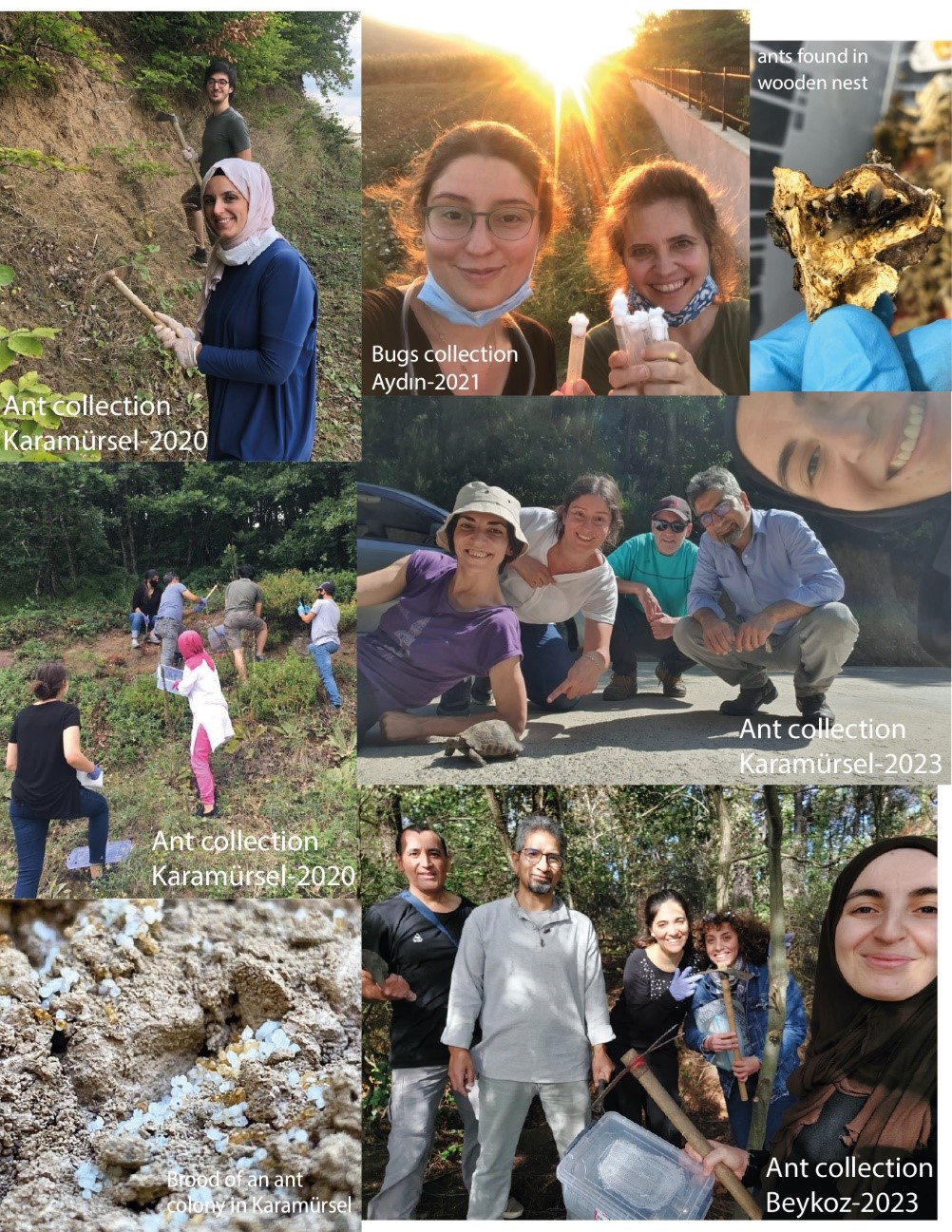
Our team conducts field trips to identify and collect locally occurring insect species used as experimental systems in the laboratory. During these activities, we survey habitats, locate target species, and collect specimens that support ongoing developmental and evolutionary studies. The material obtained in the field is subsequently integrated into laboratory-based analyses, enabling comparative approaches and increasing the diversity of model organisms studied in the lab.
International collaboration is a core component of our research and training activities. Through student exchange programs, visiting researchers, and joint scientific meetings, we actively engage with the international research community and foster long-term collaborative networks.
Our students participate in Erasmus exchange programs, gaining hands-on research experience in international laboratories. These exchanges contribute to scientific training, broaden research perspectives, and strengthen academic ties between institutions.
We organize seminars and joint meetings with international colleagues to share expertise and discuss ongoing research projects. These exchanges promote collaborative thinking and frequently lead to long-term international research partnerships.
Ongoing Projects
Investigating BMP and Hox gene regulatory network interactions in Camponotus ants (TÜBİTAK 1001)
Understanding the emergence of bacteriocyte cells housing endosymbionts using leafhoppers (TÜBİTAK 1001)
Investigating interactions between multiple gene regulatory networks during ant development (BVU BAP)
Genome editing of Hox gene region by CRISPR/Cas9 system in ants (BVU BAP)
Use of transcriptome to study the effects of antibiotics on the development of the leafhopper Anaceratagallia ribauti (Hemiptera: Cicadellidae) (BVU BAP)
Completed Projects
The developmental genetics of obligate endosymbiosis and its effect on the evolution of insects (TÜBİTAK 2247-A/120C157 )
Development of microorganisms against vector-borne diseases by biotechnological and paratransgenetic methods (TÜBİTAK 1001/218S724 )
Establishment of insect colonies for the study of obligate endosymbiosis in insects (BVU-BAP 6.2018/20)
Identification of gut microbiome of individuals who live in Turkey, pilot study (BVU-BAP 11.2018/16)
Mechanism of segregation of endosymbiont between midgut epithelium and gonad (BVU-BAP- 20200822)
Potential role of alternative transcript isoforms in developmental genes in ants (TÜBİTAK 2209-A)
Experimental studies on the effect of antibiotics on early development of Cicadellidae (BVU-BAP 9.2019/5)
Characterization of fungal endosymbionts of bumble bees (Bombus terrestris) and their relation with pathogens. (BVU-BAP -0200610)
BMP signaling in Camponotus floridanus and its alteration in the presence of obligate endosymbionts( İÜ-BAP/FYL-2021-37348 )
Selected Publications
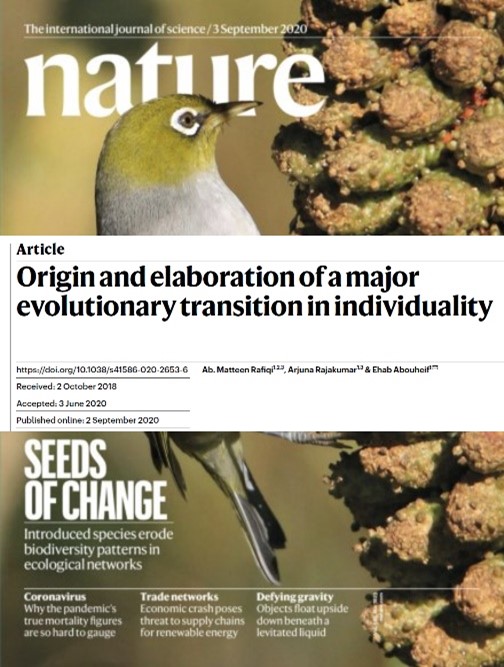
Rafiqi, A.M, Rajakumar, A. and Abouheif, E. "Origin and elaboration of a major evolutionary transition in individuality." Nature 585.7824 (2020): 239-244.
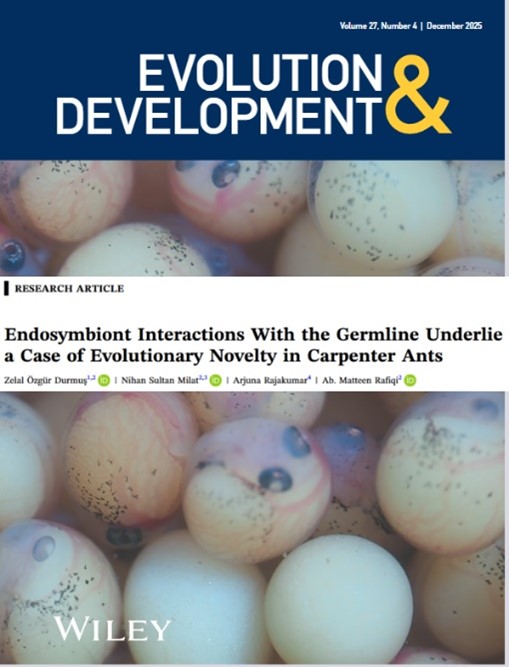
Durmuş, Z. Ö., Milat, N. S., Rajakumar, A., & Rafiqi, A. M. (2025). Endosymbiont Interactions With the Germline Underlie a Case of Evolutionary Novelty in Carpenter Ants. Evolution & development, 27(4), e70025.
Travis Chen, Ab Matteen Rafiqi, Arjuna Rajakumar, Nihan Sultan Milat, et al. (2025). A Developmental Table for the Florida Carpenter Ant 𝘊𝘢𝘮𝘱𝘰𝘯𝘰𝘵𝘶𝘴 𝘧𝘭𝘰𝘳𝘪𝘥𝘢𝘯𝘶𝘴: Establishing Foundations for Mechanistic Studies of Development and Evolution in Ants. Qeios. doi:10.32388/OJQC0N.
Rafiqi A.M, Polo P.G., Milat N.S., Durmuş Z.Ö, Çolak-Al B., Alarcón M.E., Çağıl F.Z., Rajakumar A. (2022) Developmental Integration of Endosymbionts in Insects. Fron in Ecol & Evol
Alarcon, M.E., Polo, P.G., Akyüz, S.N., Rafiqi, A.M. (2022) Evolution and ontogeny of bacteriocytes in insects. Front in Phys, 13, 2482
Polo, P.G., Çolak-Al, B., Şentürk, H., Rafiqi A.M. (2022) Gut bacteria after recovery from COVID-19: a pilot study, Eur Rev for Med & Phar Sci, 26: 8599-8611
Alim Uysal, B. A., Kotan, G., Guneser, M. B., Dincer, A. N., Senturk, H., & Rafiqi, A. M. (2021). Investigation of the effect of different chelation solutions on penetration of resin-based and bioceramic sealers with a novel method. Microscopy res & tech, 10.1002/jemt.23717. Advance online publication. https://doi.org/10.1002/jemt.23717
Milat NS, Çelik M and Rafiqi A.M. Taxonomic classification analysis of human gut microbiota using Kraken 2 [version 1; not peer reviewed]. F1000Research 2021, 10:695 (poster)(https://doi.org/10.7490/f1000research.1118672.1)
Akyuz, S.N., Kina, U.Y., Aly, A.S.I, Palabiyik, B. (2023) Iron affects localization of Ght5 in fission yeast. FEMS Microbiology Letters, 17;370:fnad022
Kina, U.Y., Kamil, M., Deveci G., Rafiqi A.M., Aly A.S.I (2023) A Candidate Bacterial-Type Amino Acid Decarboxylase Is Essential for Male Gamete Exflagellation and Mosquito Transmission of the Malaria Parasite. ASM Infection & Immunity, 18;91(7):e0016723.
Kianifard, L., Rafiqi, A.M., Akcakir, O. et al. A recombinant Aspergillus oryzae fungus transmitted from larvae to adults of Anopheles stephensi mosquitoes inhibits malaria parasite oocyst development. Sci Rep 13, 12177 (2023). https://doi.org/10.1038/s41598-023-38654-0
Fatma Zehra Çağıl, Koray Ak, Ab Matteen Rafiqi, Ayten Saraçoğlu, Gamze Nur Öter, Şermin Tetik Determination of Early Diagnostic Biomarkers of Renal Dysfunction After Cardiopulmonary Bypass: miR-21 and miR10a Mediated Postoperative Inflammation Clin Exp Health Sci 2024; 14: 245-252